
When caring for a parent breaks the sibling bonds
Love, duty and the inheritance of resentment
Some sibling estrangements are rooted in responsibility and burden. One sibling may have carried too much of the family weight for too long. This is especially the case when a parent becomes unwell, elderly or increasingly dependent. This can also occur with a parent who struggles with mental health problems or addictions. If one sibling takes on too much of the mental, emotional or physical load required to care for the parent, then a tense relationship can reach breaking point. Even a good relationship can be pushed to its limit.
Old dynamics that siblings thought had been left behind may resurface - rivalry, resentment, loyalty and competition. Decisions about care and who does what can become visible standards of morality, cutting deeply into how each sibling perceives themselves. These simmering fault lines can cause a sibling relationship to fracture - during tense conversations in hospital corridors, over WhatsApp messages about who is next checking in, in fraught discussions about money, or in the silence of a sibling who has opted out.
Why caregiving often leads to estrangement
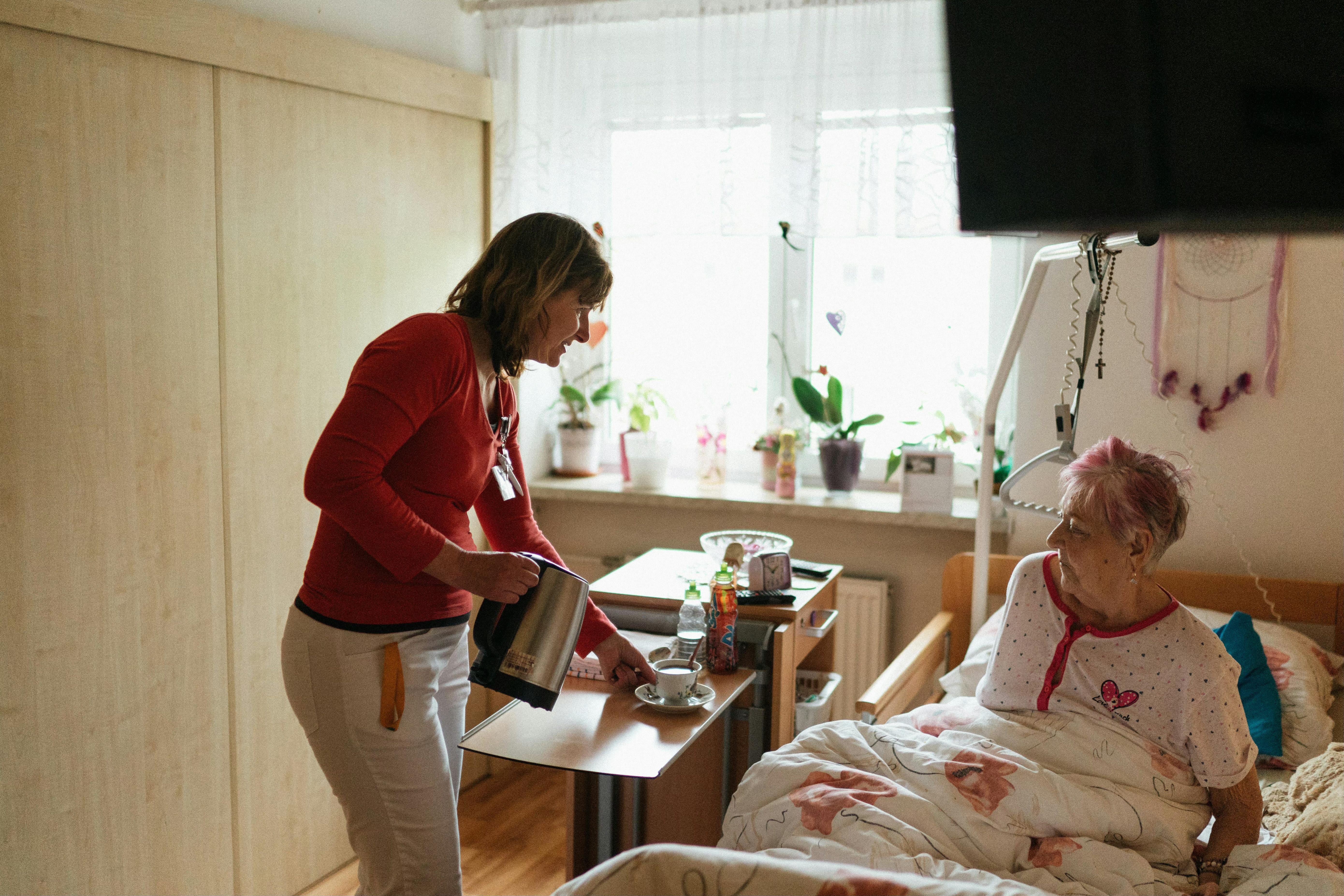
When a parent is unable to care for themselves, the family members around them must reorganise themselves. Someone must be the grown-up and attend appointments, make arrangements, provide the parent with practical and emotional support, and make the vital decisions.
Very often, either due to proximity or temperament, one sibling ends up carrying almost all the load.
It may happen gradually, or it may simply be continuing an ongoing family dynamic. Either way, other family members will rest on excuses such as they live closer, they have the most flexible job, they don’t have kids, they’re the most organised one. Siblings who live far away or who opt to not engage with what is happening do not see the strain the care-giving sibling is under. Things seem “under control” so it’s easy to disengage further. At first it may even be the case that the care-giving sibling enjoys the role of being the virtuous and capable one. It may make them feel closer to their parent or that they’re the better child.
Sadly though, ongoing caregiving is incredibly hard and can come at the cost of quality time with their own partner or children, or forgoing career opportunities or fun with friends. It can even negatively impact the sibling’s finances and health. Slowly resentment can accumulate. The sibling who is not involved in care can also sometimes feel anger or exclusion if their opinions and inputs are ignored.
Common causes of resentment include:
Feeling taken for granted
Feeling criticised by someone who isn’t there
Feeling excluded from decisions
Feeling morally judged for not helping
Feeling alone in making difficult decisions
Feeling that their care work is not recognised
Over time, conversations can begin to shift. Occasionally the sibling who is not participating in care can begin to question the other sibling’s motives. Are they removing possessions from the house? Influencing wills? Deliberately blocking contact with the parent?
On the other hand, the sibling left doing the caring may feel justified in receiving some compensation for their work. If there is no financial favouring, then they may feel exploited by the sibling who is not contributing to caregiving. After all, paying for professional help is incredibly expensive.
Why one sibling ends up doing more
As is always the case, families often like to rely on simple narratives: one sibling stepped up, the other one didn’t. However, there are many reasons why caregiving roles fall unevenly.
Geography Living nearby is frequently the dominant driver of who does the care. The closest sibling is most likely to be the emergency contact, the one who can be there at short notice, the one who is present first as things start to deteriorate. It can be hard for them to then assert boundaries when they’ve been involved from the start.
Personality and temperament The most conscientious, anxious or approval-seeking child may feel compelled to act. They may also be the one the parent has always relied on more. An avoidant or emotionally overwhelmed sibling may withdraw. Furthermore, the most organised and capable sibling is inevitably best place to fulfil the role over a chaotic or more selfish sibling.
Relationship history A sibling who had a close relationship with a parent or who received more support from their parent may feel genuine desire to care. Another who experienced conflict, criticism or emotional distance may struggle with the idea of providing care they didn’t feel they received.
Life stage One sibling may have existing caring responsibilities such as children, or they may have a demanding career. Another sibling may be single or have a more flexible life. Often a sibling may need housing and take on caring responsibilities in return for living with the parent.
Unspoken expectations Sometimes the caregiving role is not chosen but assumed. The “responsible” one becomes responsible again. The “free spirit” is excused as always.
It is important to remember that the sibling who isn’t providing care may experience their own complicated emotions such as guilt, defensiveness, exclusion or suspicion about how decisions are being made. Attempts to contribute financially or offer advice can be rebuffed. Both sides often feel misunderstood.
How caregiving mirrors old sibling patterns
These situations can be especially volatile because they rarely start from a blank slate. Caregiving often reactivates childhood roles. Siblings can find themselves almost travelling back in time, once again in orbit of their parents, together in the family home.
The eldest who always felt parentified may feel trapped again.
The middle child who felt overlooked may feel invisible in decision-making.
The youngest who was once protected may now be perceived as irresponsible.
The “golden child” may be defended by the parent now.
The “difficult child” may find old grievances resurfacing.
Psychologists sometimes refer to this as role entrapment, the experience of being pulled back into a family role you thought you had outgrown.
Under stress, families regress.
Add in questions of money and inheritance and things escalate quickly. If a parent adjusts their will to favour the caregiving child, siblings may see favouritism rather than fairness. If inheritance is split equally, despite the unequal effort or the financial consequences of caregiving, the caregiving sibling may feel exploited or unseen. The reality that the parent at the centre of it may be declining, layers anticipatory grief over everything. Under those conditions empathy with one another can shrink.
The painful paradox
Estrangement caused by caregiving for a parent is uniquely painful because it often emerges from love and the concept of who is showing and enacting their love “well”. Furthermore, it layers a conflict into an already isolating and challenging situation, adding grief to existing grief.
Siblings must navigate:
The instinct to protect a parent.
The primal desire to be chosen by their parent.
The hope that they’re doing the right thing.
Loss and fear.
Exposure to their own mortality.
The wish to be seen as loyal, dutiful and good.
Awareness of each other’s struggles can help. Siblings can soften towards each other when they realise that they aren’t just arguing about appointments and finances but replaying deeper patterns under immense stress. Compassion becomes possible when they try to see each other outside of their old roles.
Has caregiving impacted your family relationships?
How can families handle caregiving better?
I’d love to learn a bit more about what my readers want from this substack. If you have some time then I’d be very grateful if you could fill in the below survey.
Subscription benefit
If you’d like more personalised support, the Founding Membership offers the opportunity to email me about a family challenge you’re facing. I’ll respond up to four times to help you think it through and find some clarity.
All paid subscribers receive access to The Estrangement Book Club recording (the live stream is free) plus a monthly therapeutic exercise. Paid subscribers also have full access to the post archive, including pieces that move behind the paywall after a period of time.
You can also support this work by buying books through my curated bookshop. I earn a small commission and so do affiliated independent bookstores.
I'm the eldest of 4 and did the heavy lifting with a modicum of assistance from my youngest sibling. The middle 2? Crickets. Mom passed 5 years ago. I am close with my youngest sibling, but the other 2 make little effort to stay connected. I'm over it and no longer have the bandwidth to keep trying. Que sera, sera. It's their loss.